


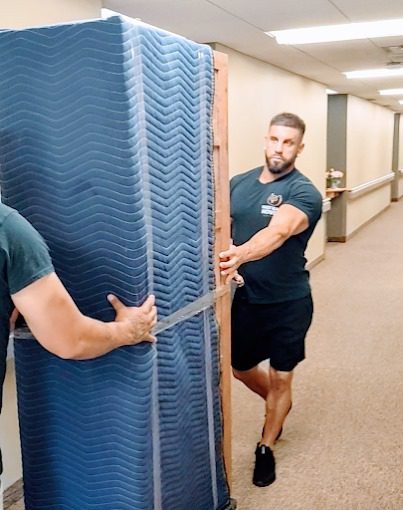
Moving furniture can be more difficult than it looks. A sofa may not fit through a doorway, a dining table may need to be dismantled, and a heavy wardrobe can be challenging to carry down a narrow staircase. Even moving one large item across Edmonton requires planning, the right equipment, and careful handling. Whether you are moving into a new home, furnishing an apartment, rearranging rooms, or transporting a few large pieces between properties, hiring professional furniture movers in Edmonton can make the process more manageable. At Fast Kats Moving Edmonton, customers can enquire about furniture moving as part of their relocation needs. The aim is to help make moving day more organized, with attention to the items being transported and the access conditions at each property. This guide explains how to prepare furniture for a move, what affects the cost, and what to look for when choosing a furniture moving company in Edmonton. What Do Furniture Movers in Edmonton Help With? Professional furniture movers Edmonton residents hire may assist with moving individual pieces or handling furniture as part of a larger household or commercial relocation. The service you need depends on the number of items, their size, their condition, and the distance they must travel. Sofa and Sectional Moving Large sofas and sectional couches can be awkward to manoeuvre through hallways, staircases, elevators, and doorways. Their size and shape can make them difficult to carry without assistance. Before moving a sofa, measure its height, width, and depth. Check the doorway and hallway dimensions at both properties. If the sofa has removable legs or detachable sections, ask whether these should be removed before moving day. Experienced Edmonton furniture movers can assess the access route and determine the appropriate way to handle the item. Beds, Mattresses, and Bedroom Furniture Beds, mattresses, dressers, nightstands, and wardrobes often need to be moved together during a home relocation. Bed frames may require disassembly, while mirrors and detachable components need separate protection. Keep screws, bolts, and other hardware in a labelled bag so the furniture can be reassembled more easily. If you are moving several bedroom items, prepare an inventory so the moving team knows what needs to be collected and delivered. Dining Tables, Cabinets, and Bookshelves Dining tables, glass cabinets, bookshelves, and display units require particular attention because of their dimensions, weight, or fragile components. Remove loose items from shelves and drawers before moving. Glass shelves should be removed and protected separately where possible. If a table has detachable legs, check the manufacturer’s instructions before disassembling it. A little preparation can reduce the risk of loose components shifting during transportation. Heavy and Oversized Furniture Some furniture is simply too heavy or awkward to move safely without assistance. Large wardrobes, solid-wood cabinets, oversized desks, and entertainment units may require additional planning. When contacting heavy furniture movers Edmonton, explain the item’s approximate dimensions, weight if known, location, and any stairs or restricted access. This allows the company to assess the job and discuss the equipment and crew required. Do not attempt to lift extremely heavy furniture alone or rely on improvised lifting methods. Do You Need Furniture Movers or a Full Moving Service? Not every furniture move requires a full household relocation. Furniture moving Edmonton services may be suitable for several different situations: When contacting Fast Kats Moving Edmonton, describe the exact job rather than assuming you need a complete moving package. Ask which service fits your requirements and what is included in the estimate. How to Prepare Furniture Before Moving Day Preparation helps the moving team understand the job and can reduce avoidable delays. 1. Measure Large Items and Access Points Measure bulky furniture before moving day, especially sectionals, wardrobes, bed frames, and dining tables. Check the dimensions of: If an item will not fit through the usual route, discuss alternatives with the moving company in advance. Do not assume that furniture can be safely tilted or dismantled without checking its construction and the available space. 2. Empty Drawers and Cabinets Remove loose belongings, fragile objects, and heavy contents from furniture wherever practical. Empty drawers and cabinets are generally easier to handle and reduce the risk of items shifting or falling. Ask the movers whether any specific components can remain in place. Avoid leaving valuables, important documents, or breakable items inside furniture during transportation. 3. Protect Surfaces and Fragile Components Wooden furniture can be vulnerable to scratches, while glass and polished surfaces may be damaged by impacts or friction. Use suitable protective materials and avoid placing tape directly on delicate finishes. Remove detachable glass shelves, mirrors, and decorative components when appropriate, and keep them protected separately. Discuss any existing damage, fragile finishes, antiques, or unusually valuable pieces with the moving company before booking. 4. Plan for Furniture Disassembly Some items are easier to move when partially dismantled. Bed frames, dining tables, and certain desks may have removable legs or other components. Keep hardware together in clearly labelled bags. If a piece is complex, unusually valuable, or difficult to reassemble, confirm whether disassembly and reassembly are included in the service. 5. Clear the Moving Route Remove loose rugs, clutter, and obstacles from the path between the furniture and the exit. If you live in a condo or apartment, confirm any elevator bookings, loading-zone rules, and permitted moving hours. These details matter even when the move is relatively small. What Affects Furniture Moving Costs in Edmonton? There is no single price that applies to every furniture move. The cost depends on the work required and the arrangements made with the moving company. Common factors include: Number and size of items: Moving one small dresser differs from transporting a large sectional, several wardrobes, and a dining set. Weight and handling requirements: Heavy, fragile, or unusually shaped pieces may require additional labour or specialized equipment. Distance: The route between pickup and delivery locations affects transportation requirements. Stairs and building access: Multiple floors, narrow staircases, long carrying distances, and limited loading areas can influence the time needed. Disassembly and reassembly: If furniture needs to be taken apart or put back together, clarify whether this work is available and included. Additional services: Packing, protective materials, or moving other household items may change the estimate. […]